Products · 6 min read
How to Choose the Right Backlit Fabric for Large Format Digital Printing
A backlit graphic is the only kind where the light source is part of the design. Start with the hardware, not the cloth.
September 25, 2026
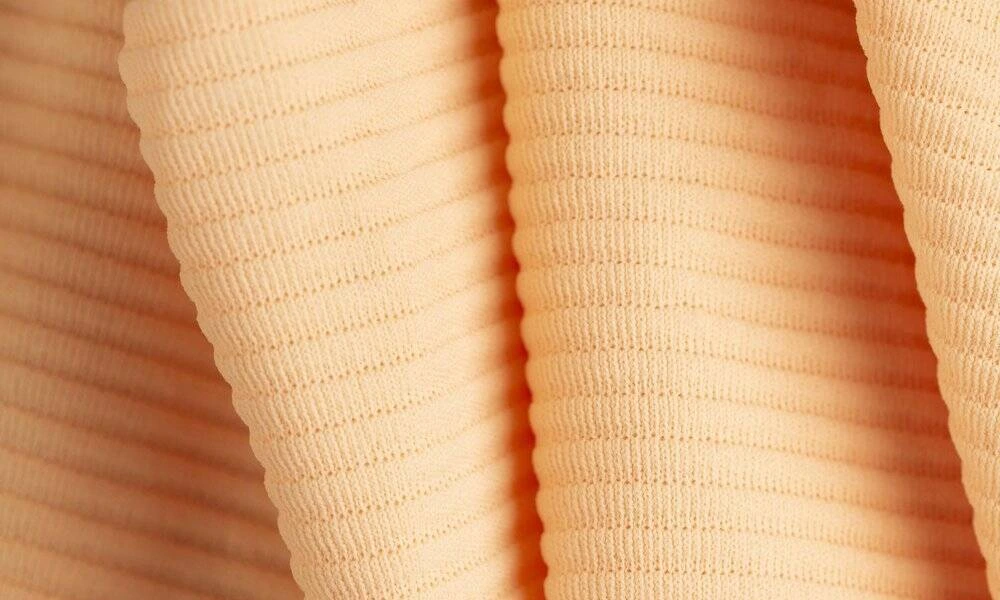
A backlit graphic is the only kind where the light source is part of the design. Get the fabric wrong and the fault is obvious to everyone: hot spots down the middle, colours that look strong until the box switches on, a seam that glows.
Here is how to choose without learning it the expensive way.
One: understand what the fabric is being asked to do
A backlit fabric has to pass light and diffuse it at the same time. Too little diffusion and the LED array reads through as bright bands. Too much and the image goes flat and loses saturation. The right answer depends on the box you are lighting, so start with the hardware, not the cloth.
Two: measure the depth of your lightbox
The distance between the LEDs and the face is the single biggest factor in how forgiving you can be. A deep box spreads light on its own and tolerates a lighter fabric. A shallow box — increasingly the norm in retail — puts the LEDs close to the graphic and needs more diffusion in the material itself.
Ask the frame supplier for the depth and the LED pitch before you order backlit fabric rolls.
Three: choose the surface for the environment
Backlit polyester fabric is available in different surface characters, and pearl backlit fabric is often chosen where a slight luminous quality suits the setting — a hospitality interior, a premium retail display. A flatter finish tends to suit information-led graphics and wayfinding, where legibility matters more than warmth. Neither is better; they are different jobs.
Four: plan the seams and the width
Nothing shows a seam like transmitted light. Where possible, choose a width that covers the finished graphic in one piece. Where a seam is unavoidable, agree its position with the designer so it lands somewhere the image can absorb it.
Five: confirm ink compatibility, then test lit
Confirm the fabric is intended for your provider's ink set — latex, UV or solvent — and then do the thing most people skip: view the printed test in the lit box, not on a table. A proof judged under room light tells you almost nothing about how a backlit graphic will read.
Six: check what it is actually made of
If PVC-free matters to your project, ask whether the fabric is PVC-free through the whole construction. A polyester face with a vinyl coating is not PVC-free printable fabric, however it is described in a sales sheet.
A one-line summary
Hardware first, then diffusion, then surface character, then width and seams, then a lit proof.
We manufacture PVC-free printable fabric, including backlit, alongside our wallcovering, poster and display board ranges. We do not print — so we will tell you when a job wants a different material.
To specify with confidence: request samples and view them in your own lightbox, or book a virtual demo.