Specification · 7 min read
Type I vs Type II Wallcovering: A Complete Guide for Commercial Buyers
Type II appears in specifications without explanation. Here is what the classification describes, and what digital printing changes.
September 18, 2026

If you buy wallcovering for commercial interiors, "Type II" will appear in a specification sooner or later, usually without explanation. Here is the plain version of what the classification is for, and where digital printing complicates it.
What the classification is describing
Commercial wallcovering has long been grouped into categories that describe how much punishment the material is built to take. In broad terms:
- Type I — lighter duty. Suited to areas with limited traffic and contact: private offices, guest rooms, ceilings, upper walls.
- Type II — medium duty. The usual specification for corridors, lobbies, classrooms, healthcare and hospitality circulation space — anywhere shoulders, trolleys and cleaning carts meet the wall.
- Type III — heavy duty, for the hardest-worked surfaces.
The point of the classification is that it lets an architect specify durability without naming a brand. When a spec says Type II commercial wallcovering, it is describing an expected level of robustness for a public interior.
Where digital printing enters
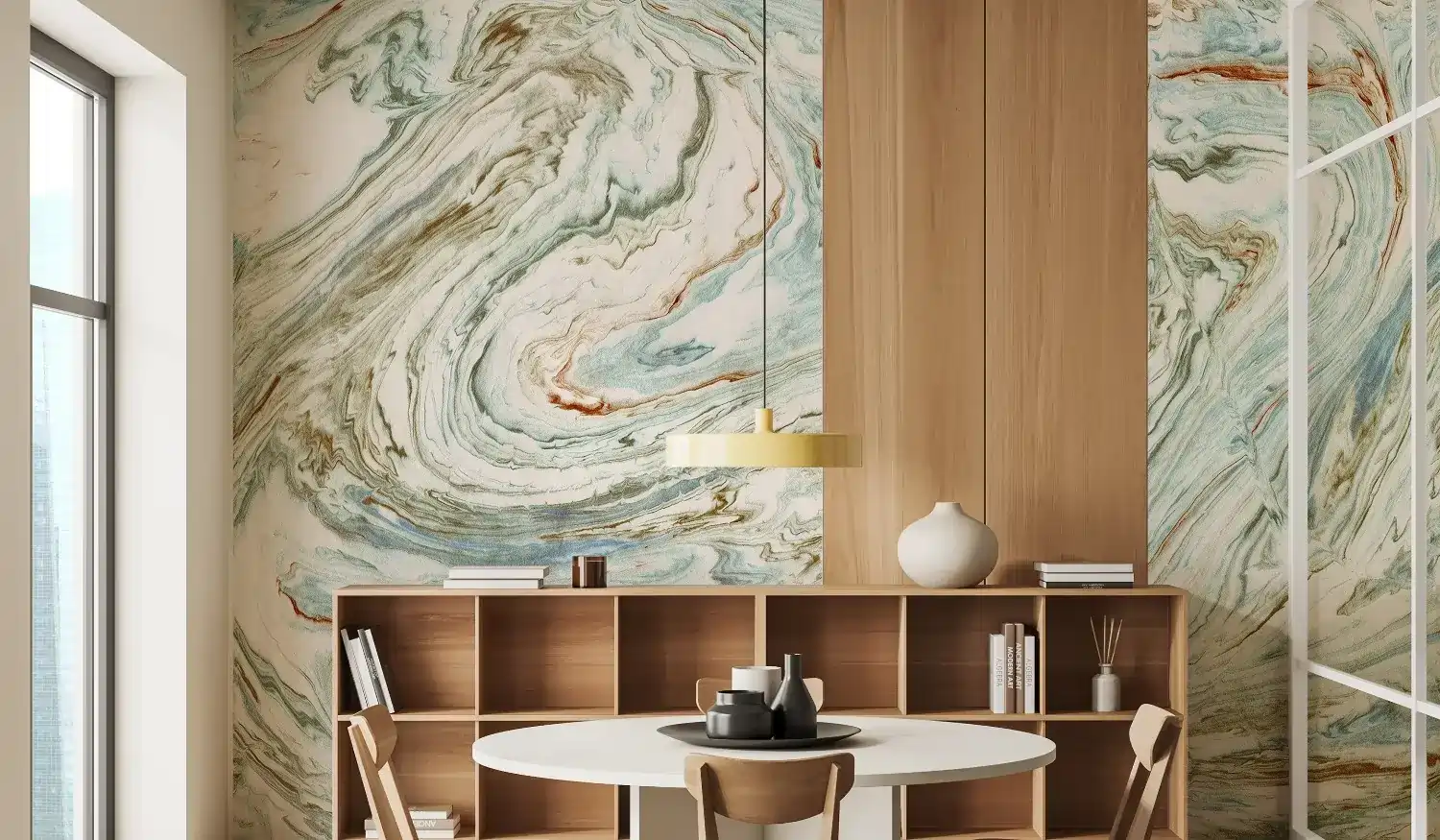
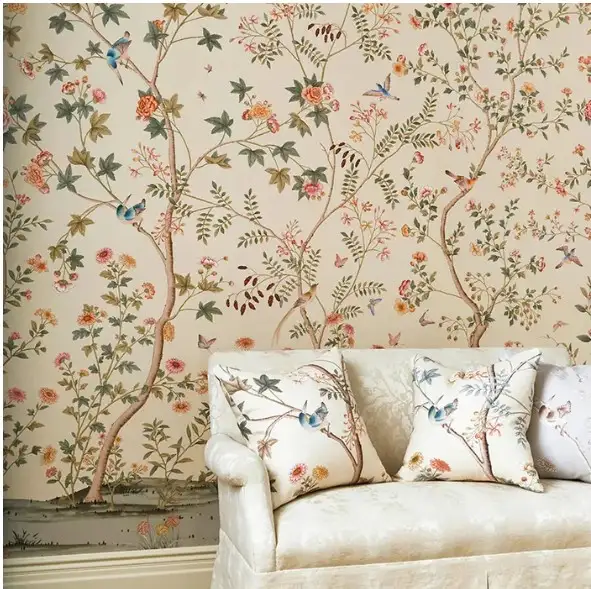
A classification was written for wallcovering supplied as a finished, patterned good. Digital printing changed the workflow: the same wall is now a custom mural, a branded graphic or a photographic image, printed on demand on a blank substrate.
That leaves commercial buyers with a practical question — how do you meet a durability expectation written for finished goods when the finish is applied by a printer? The honest answer is that you handle it explicitly rather than assuming:
- Ask what the classification claim covers: the blank media, or the media after printing and any coating.
- Ask who is making the claim — the media manufacturer or the print provider — and get it in writing on the project submittal.
- Decide whether the wall needs a protective clear coat over the print, and price it in from the start rather than discovering it at handover.
- Match the substrate to the location: circulation and contact areas are a different problem from a feature wall in a boardroom.
What buyers should actually compare
Rather than treating a Type number as the whole answer, compare the things that determine whether the wall survives:
- The substrate construction and weight.
- Whether the surface can be cleaned the way the facilities team will actually clean it.
- How it removes at refresh, and what condition it leaves the wall in.
- Whether it is PVC-free through the whole construction, if that is on your policy.
- Whether it runs on your print provider's press without a compromise on detail.
Where we sit
We manufacture 100% PVC-free printable wallcovering — smooth nonwoven, clay-coated and peel-and-stick — for print providers and specifiers. We do not print, and we will not tell you which classification your finished, printed and coated wall carries, because that finished assembly is not ours to certify. What we will do is tell you exactly what the media is, and give you material to test.
For a specification conversation: request samples for your submittal package, or book a virtual demo with your design team on the call.